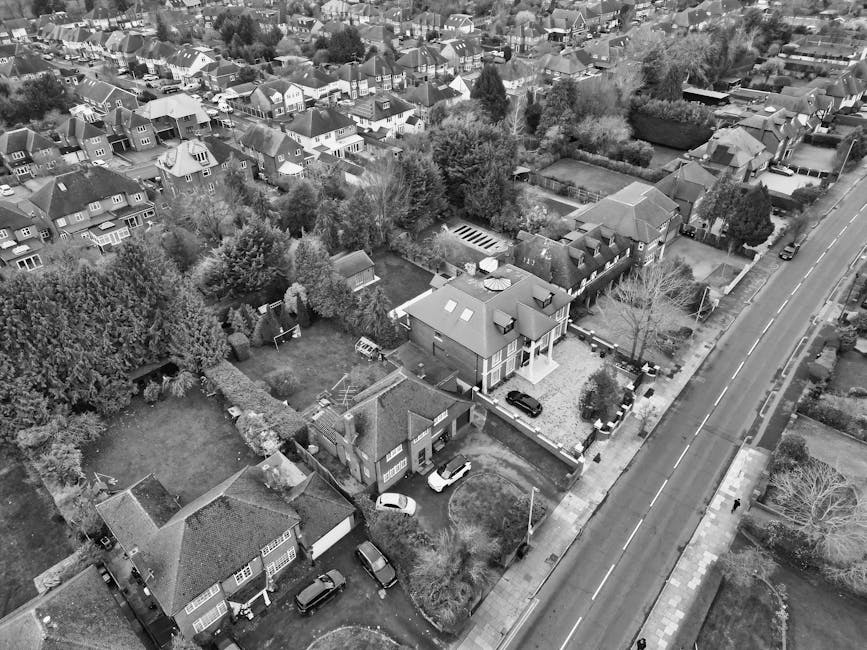
Surbiton Hill Road Berrylands Moving Plan for Narrow Access Homes
Moving house is stressful enough without a tight turning circle, parked cars, and a hallway that seems designed to test everyone's patience. If you're planning a Surbiton Hill Road Berrylands moving plan for narrow access homes, the real challenge is not just lifting boxes. It's getting the right van, timing, packing method, and access strategy lined up so the day runs smoothly instead of turning into a scramble.
That matters especially in Berrylands, where home layouts, road width, and on-street parking can make a simple move feel like a small logistics puzzle. In this guide, you'll find a practical, human approach: what to prepare, how a narrow-access move works, where problems usually appear, and how to reduce the chance of delays, damage, or last-minute panic. It's the sort of plan that saves energy, and honestly, a lot of back and forth.
- Why it matters
- How the move works
- Key benefits and practical advantages
- Who this is for
- Step-by-step guidance
- Expert tips
- Common mistakes to avoid
- Tools, resources and recommendations
- Law, compliance, standards and best practice
- Options and comparison
- Case study example
- Practical checklist
- Conclusion
- Frequently asked questions
Why Surbiton Hill Road Berrylands Moving Plan for Narrow Access Homes Matters
Narrow access homes create a very specific kind of moving pressure. The issue is rarely one single big obstacle; it's the accumulation of small ones. A narrow path here, a low branch there, a van that is slightly too long, a sofa that only fits at a diagonal. On their own they sound manageable. Together, they can eat time fast.
A tailored moving plan helps you avoid the usual friction points. It lets you think about access before moving day, not during it. That includes where the vehicle can safely stop, how far items need to be carried, whether any furniture needs dismantling, and whether neighbours or parked cars may restrict the loading area.
For homes on or near Surbiton Hill Road, the planning stage is often the difference between a calm move and one that feels improvised. To be fair, most moving problems are not dramatic failures. They are small assumptions made too late. Can the van reverse in? Will the bed base fit through the stairwell? Is there space to queue boxes near the door? Those are the questions that matter.
Good planning also reduces handling risk. When movers can work with a clean route and a sensible loading sequence, the likelihood of knocks, scrapes, and repeated lifting goes down. That matters for your furniture, but also for the team doing the job. A safer route is usually a smoother route.
How Surbiton Hill Road Berrylands Moving Plan for Narrow Access Homes Works
The moving plan starts with access, not boxes. In a narrow-access property, the first job is to map the physical route from the room to the vehicle. This means checking door widths, stair turns, garden gates, footpath sections, kerb height, and any pinch points where one person needs to pause and pivot carefully.
From there, the plan usually breaks into five practical stages:
- Assessment: identify where access is tight and what items are awkward or oversized.
- Preparation: dismantle, label, protect, and group items by room or priority.
- Vehicle selection: choose a van or moving vehicle that fits the road, not just the load.
- Load sequencing: move the bulkiest and heaviest items first, then box up the rest.
- Contingency: keep a backup plan for parking, weather, or unexpected access blocks.
That might sound obvious, but the detail is where the move succeeds. A narrow-access job often benefits from a man with van style service because it is easier to adapt the vehicle size and loading method to a constrained street. For bigger loads, you may still need a larger vehicle or even a more structured house removals approach. The point is not the label. The point is fit.
Sometimes the plan also includes an off-street shuttle arrangement: the main vehicle parks where it can safely stop, then items are moved in stages from the property to the vehicle. Slightly less glamorous than one smooth direct load, yes, but often much more realistic. And realism wins on moving day.
Key Benefits and Practical Advantages
A narrow-access move plan gives you more than convenience. It gives you control. That sounds a bit corporate, maybe, but in practical terms it means fewer delays, less lifting, and fewer "we should have checked that" moments.
- Less wasted time: the crew knows the route and the parking setup in advance.
- Lower damage risk: awkward furniture is measured and protected before it becomes a problem.
- Better vehicle choice: the van can be matched to the road and access rather than guessed.
- Clearer packing priorities: essential items are packed for quick retrieval.
- Less neighbour disruption: a cleaner loading plan reduces street congestion and repeated shuffling.
Another practical benefit is decision clarity. Once you know the access constraints, you can make quicker calls about what to keep assembled, what to dismantle, and what might be better handled through packing and unpacking services. That can save a surprising amount of effort, especially if you're juggling work, kids, or a lease deadline. Moving day already asks enough of people.
There is also a financial angle, although it's worth being careful here. A better plan can prevent wasted time and repeated trips. That does not guarantee a lower cost every time, but it often supports a more efficient move overall. Fewer surprises usually means a cleaner quotation and fewer add-ons later.
Who This Is For and When It Makes Sense
This kind of moving plan is useful for anyone whose home access is limited, but some households benefit more than others. If you live in a terraced house, a converted property, a maisonette with tight stairs, or somewhere with limited parking, you'll probably recognise the problem immediately.
It also makes sense if you have any of the following:
- large furniture that cannot easily turn at the landing
- limited driveway access or no driveway at all
- a road where parking is often tight or heavily used
- items that are fragile, heavy, or awkwardly shaped
- a move scheduled around school runs, commuter traffic, or neighbour access
For smaller home moves, a flexible home moves solution may be enough. For full house removals, a broader team approach may be more suitable. And if you're comparing providers, it can help to look at removal services rather than only price. Narrow access tends to reward experience more than bravado, if that makes sense.
In our experience, the people who benefit most are the ones who want a calmer day, not just the cheapest headline figure. Fair enough, really.
Step-by-Step Guidance
Below is a straightforward way to build a moving plan for a narrow-access property. It is not fancy. It works because it is practical.
1. Walk the route before you book
Start at the front door and walk the exact route a sofa, wardrobe, mattress, or stack of boxes will take. Measure tight turns, note steps, and check whether anything hangs low, like railings, plants, overhanging branches, or awkward wall lights. If you have to twist furniture twice to get it out, that is already useful information.
2. List the awkward items first
Don't begin with books or bedding. Begin with the objects that cause friction: beds, wardrobes, desks, mirrors, washing machines, and anything with glass or a fixed frame. These are the items that shape the move, not the other way round. Once they are accounted for, packing becomes much simpler.
3. Decide what must be dismantled
A narrow hallway often changes the furniture plan. Some beds, tables, and shelving units should be dismantled before moving day, not during it. Keep screws, bolts, and fittings together in labelled bags. It sounds small, but on the day it saves a lot of muttering and searching under the car seat.
4. Choose the right vehicle size
A van that is too large can create more problems than it solves. If access is tight, a smaller or medium-sized moving van may be a better fit than a larger truck. If you need something more specific, compare your needs with a moving van, removal van, or even moving truck depending on load volume and parking space. Bigger is not always better. Not by a long shot.
5. Pack by access priority
Put the items you need first in the easiest-to-reach position. That usually means essentials, documents, chargers, kettle, toiletries, and a basic tool kit. Then load by weight and fragility. Heavy boxes low, fragile items protected, and soft items used to fill gaps. It is a tidy method, but also a sensible one.
6. Protect the property
Narrow-access homes are more likely to suffer wall scuffs and door-frame knocks because there is simply less room for error. Use blankets, floor protection, and corner guards where needed. A few extra minutes here can prevent annoying damage that lingers long after the move is over.
7. Build in extra time
Do not plan a narrow-access move like a standard suburban load-in. Give yourself breathing space for parking adjustments, a second carry, or a pause while a large item is angled carefully through a turn. A move can look fine on paper and still take longer on the ground. That's normal.
Expert Tips for Better Results
Here's the part where small adjustments make a big difference. Not dramatic, but genuinely helpful.
- Measure with furniture in mind, not room dimensions alone. A room may be large enough, but the route out may not be.
- Label boxes by room and urgency. It helps on both ends of the move and avoids guesswork.
- Use photo notes for awkward spaces. A quick phone picture of a narrow stair or gate can be more helpful than a rushed description.
- Keep one box of first-night essentials separate. The last thing you want is to hunt for toothbrushes in the dark.
- Ask about loading order early. Some items need to go in first to save time and space later.
If you are arranging help for heavier lifting, movers who understand constrained access can make the whole job feel less frantic. The value is often in the judgement they bring, not just the muscle. A steady pair of hands and a calm head go a long way.
Expert summary: for narrow-access homes, success usually comes from three things: accurate access checks, the right vehicle size, and a realistic loading plan. Get those three right and the rest becomes much easier.
Common Mistakes to Avoid
Most moving day problems are avoidable. The trick is spotting them before they turn into a queue of boxes on the pavement.
- Assuming the van will fit without checking. Streets can feel wider when you are standing there empty-handed. They are not.
- Leaving dismantling until the last minute. That creates pressure when you need calm.
- Packing everything in random order. If access is difficult, random packing becomes random unpacking too.
- Ignoring parking reality. A brilliant moving plan fails quickly if the vehicle cannot stop safely.
- Forgetting to protect walls, banisters, and door frames. Tiny scrapes are easy to cause and annoying to fix.
- Underestimating the time needed for repeated carries. A narrow path means slower movement. That's just how it is.
A quieter mistake is trying to do too much yourself. People often think they need to prove something by handling every single box. Honestly, they don't. If the route is awkward, splitting the work between packing, lifting, and transport tends to be the smarter move.
Tools, Resources and Recommendations
You do not need a giant toolkit, but a few practical items make narrow-access moves much easier. Think of this as the "save your sanity" shortlist.
- Measuring tape: for doors, stair turns, furniture depth, and vehicle clearance.
- Labels and marker pens: useful for room names, fragile items, and dismantled parts.
- Furniture blankets and wrapping: protects timber, upholstery, and painted edges.
- Strong tape and small bags: keeps screws and fittings together.
- Gloves and proper footwear: simple, but worth it.
- Phone camera: ideal for tracking the route and any access notes.
If you are choosing between assistance levels, review the difference between man and van support and a fuller removal company service. A smaller job may only need flexible transport and one or two helpers. A bigger household move may need a more complete approach with more hands and more structured planning.
For extra confidence around safety and care, it is also worth reviewing a provider's health and safety policy and insurance and safety information. Those pages tell you a lot about how seriously a company handles the practical side of the work.
Law, Compliance, Standards, or Best Practice
For a domestic move, the main concern is not complicated legislation. It is sensible practice. Still, a few UK norms are worth keeping in mind.
First, safe lifting matters. Professional teams are expected to work in a way that reduces avoidable injury risk, which means planning the route, sharing heavy loads, and avoiding awkward solo lifts where possible. That is basic best practice, but it is surprisingly easy to forget under pressure.
Second, parking and access should be handled considerately. You may need to think about what is safe and practical for the street, the neighbours, and the vehicle itself. If the road is tight, poor parking choices can slow the entire move and create unnecessary friction. Nobody wants that.
Third, good customer terms matter. If you are booking a service, it helps to understand the provider's terms and conditions, along with how payment is handled through payment and security. It sounds dull, yes, but it protects both sides and prevents misunderstandings later.
If sustainability matters to you, look at whether the team has a clear recycling and sustainability approach. Moves often generate cardboard, wrap, and old items, and it is useful to know how those are handled responsibly.
Options, Methods, or Comparison Table
Different move styles suit different access problems. The table below gives a practical comparison rather than a perfect one. Every street and every house is slightly different, of course.
| Option | Best for | Strengths | Limitations |
|---|---|---|---|
| Man and van | Smaller household moves, flexible access | Easier to fit into narrow streets, adaptable, often efficient | May not suit very large loads or full-house moves |
| Removal van | Moderate-sized domestic moves | Good balance of space and manoeuvrability | Still needs careful parking and access checks |
| Moving truck | Large-volume moves with more room to load | Can handle more in one trip | May be harder to position on a narrow road |
| Full removals service | Whole-house moves, complex furniture, heavier workloads | More structured support, often better for difficult access | Usually more involved to arrange |
For many Berrylands homes, the sweet spot is a practical middle ground: enough capacity to reduce trips, but small enough to work with restricted access. That balance is often where the move becomes manageable instead of awkward.
Case Study or Real-World Example
Here is a realistic example. A couple moving from a narrow-access terrace near Surbiton Hill Road had a sofa, a king-size bed frame, a dining table, and about thirty boxes. The front path was short, but the hallway turned sharply at the stairs. They assumed the sofa would go through upright. It didn't. Not even close.
Instead of forcing it, they changed the plan. The sofa was wrapped early, the bed was dismantled the night before, and the loading sequence was rearranged so the heaviest items came out first while the van was parked as close as safely possible. A second person handled door protection at the property. A small thing, really, but it saved the paintwork.
The move took longer than a standard suburban job would have, but it finished without damage and without a chaotic last-hour rush. The couple later said the biggest help was simply knowing the access had been thought through in advance. Truth be told, that is often the whole game.
It was not flawless. One box was labelled badly and had to be opened to find kitchen items. A minor hiccup. But the overall day stayed calm because the route, vehicle, and load order were decided before anyone started sweating on the doorstep.
Practical Checklist
Use this checklist as your final pre-move prompt. You can print it, copy it, or scribble it on the back of an envelope. Whatever works.
- Measure all doors, hallways, stair turns, and gates.
- Check where the vehicle can legally and safely stop.
- Identify the largest and most awkward furniture pieces.
- Decide what needs dismantling before moving day.
- Pack and label essential items separately.
- Protect floors, frames, banisters, and corners.
- Prepare boxes by room and priority.
- Confirm whether you need help with packing and unpacking.
- Review safety, insurance, payment, and booking terms.
- Allow extra time for access constraints and repeated carries.
Quick reminder: if the route feels tight in your head, it will probably feel tighter in real life. So check it twice. Then once more, if you can.
Get a free quote today and see how much you can save.
Conclusion
A good Surbiton Hill Road Berrylands moving plan for narrow access homes is really about reducing uncertainty. Once you know the route, the vehicle, the awkward furniture, and the likely pinch points, the move stops feeling like a gamble. It becomes a sequence of decisions you can actually control.
That is especially helpful in Berrylands, where access can be the hidden detail that shapes the entire day. A thoughtful plan protects your belongings, reduces stress, and makes the move feel more organised from the first box to the last. And that calm matters more than people sometimes admit.
If you take only one thing from this guide, let it be this: plan for the narrowest point first, not the easiest one. That one habit solves a lot.
Then take a breath. You are probably more prepared than you think.
Frequently Asked Questions
What makes a narrow-access home harder to move?
Narrow-access homes have tighter hallways, smaller doorways, limited parking, or awkward routes from the property to the vehicle. The moving challenge is less about distance and more about manoeuvring safely.
Do I need a smaller van for Surbiton Hill Road Berrylands moves?
Not always, but a smaller or mid-sized vehicle is often easier to position on a tight road. The best choice depends on your load size, parking space, and how much turning room the street provides.
Should I dismantle furniture before moving day?
Yes, if the route is tight or the furniture is bulky. Beds, tables, and shelving units often move more safely when taken apart in advance. It also speeds up loading, which is handy.
How far in advance should I plan a narrow-access move?
As early as you can. Even a simple access check helps. A few days may be enough for a small move, but larger or more complex homes benefit from earlier planning so you are not rushing.
What if the van cannot park right outside my home?
That is common in tight streets. The move can still work with a short carry or shuttle loading method. It just needs to be factored into the time and sequence of the day.
Is a man and van service suitable for narrow access homes?
Often yes, especially for smaller or medium-sized moves. A flexible man and van setup can be easier to adapt to restricted access than a larger vehicle.
How do I protect walls and banisters during the move?
Use blankets, corner protection, and careful route planning. Ask movers to protect the main contact points before heavy items start moving. It only takes a little preparation to reduce scuffs and bumps.
What should I pack first for a narrow-access move?
Start with items that are not needed daily, then pack essentials separately. In awkward homes, careful labelling matters more than usual because you want quick access without opening every box in a hurry.
How do I know whether I need a full removals service?
If you have a large household, heavy furniture, or a very tight access route, a fuller house removals service may be more suitable than a smaller transport-only option.
What should I check before booking a moving company?
Check what vehicle they use, whether they understand narrow access, how they handle safety and insurance, and how pricing is structured. A clear quote is usually a good sign.
Can packing help reduce moving-day problems?
Absolutely. Good packing reduces the chance of damage, confusion, and slow loading. If you have a lot to organise, packing and unpacking services can take a lot of pressure off.
Where can I learn more about the company's approach to safety and payments?
You can review the company's health and safety policy, insurance and safety information, and payment and security details for a clearer picture of how the service is run.
What is the biggest mistake people make with narrow-access home moves?
Usually it is assuming the access will be fine on the day. A quick route check, a sensible vehicle choice, and a realistic time plan prevent most of the headache. Simple, but easy to overlook.
Is there a good way to reduce stress on moving day?
Yes: prepare the route, label the boxes, keep essentials separate, and allow extra time. A calm moving day is rarely accidental. It is usually the result of a decent plan and a bit of patience.